

Thanks to Korean skincare, the idea of “glass skin”, smooth, poreless, and glowing like crystal, took the beauty world by storm. But If you are someone who has ever tried to recreate that ultra-dewy look in the middle of a Mumbai monsoon or a Chennai summer, you’ve probably asked yourself:
“Why does my skin feel sticky, not glassy?”
The truth is that the Korean glass skin routine isn’t always practical for Indian skin types or Indian weather, and trying to force it can do more harm on your skin than good. Let’s try to understand why, and more importantly, what you can do instead.

What “Glass Skin” Really Means And Why It Works in Korea
Creating glass skin requires more than just adding highlighter. The goal is to obtain deep hydration, minimum texture, and visibly healthy skin by stacking essences, toners, ampoules, and moisturizers consistently.
In Korea:
- Weather is cold or mildly humid ideal for heavy skincare layering
- Air quality is often regulated indoors
- Diet includes lots of fermented foods and hydration
- Skin tone range is narrower, with specific cosmetic formulations
- Cultural skincare approach is prevention-focused and slow-care
The classic Korean glass skin method relies on multiple layers of dewy, water-based hydration, applied in a cooler climate where that doesn’t feel heavy or greasy.
But now, let’s come to India.
The Indian Skin Context: Why Glass Skin Doesn’t Translate Well
Indian weather, especially in states like Maharashtra, Kerala, Tamil Nadu, or West Bengal is mostly hot, humid, or dusty for most of the year. Even Delhi winters come with high pollution levels.
Indian skin often faces:
- Increased oiliness and sweat (especially during monsoons and summer)
- Open pores and pigmentation from UV exposure
- Pollution damage leading to dullness and clogged skin
- Diverse skin tones and sensitivities, from dry to oily to combination
- Frequent fungal or bacterial skin issues in humid weather
When you try to apply seven layers of hydrating products (as in traditional Korean routines), your skin can start to feel congested, sweaty, or greasy, especially if you have oily or acne-prone skin. This defeats the whole point of glass skin.
Adapting the Routine: What Works Better for Indian Skin
Instead of copying Korean routines step-by-step, Indian skin needs a modified approach that respects our climate, skin type diversity, and pollution levels.
Here’s how to adapt the glass skin routine for Indian skin by using lightweight, breathable, yet effective layers.
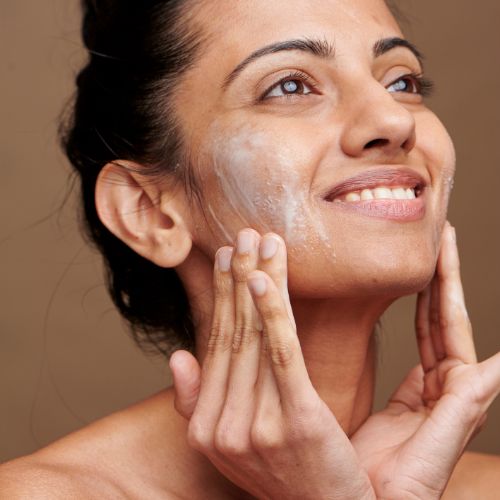
1. Double Cleanse – But Smartly
- Don’t: Use thick cleansing balms that leave a film
- Do: Use a gel-based cleansing oil or micellar water as first cleanse, followed by a mild water-based cleanser
→ Helps clean SPF and pollution without overloading oily skin
2. Use a Hydrating Toner or Essence – But Choose Wisely
- Don’t: Layer sticky, thick toners one after another
- Do: Use one hydrating toner with humectants like glycerin or hyaluronic acid once or twice max.
→ Lightweight hydration is enough in India’s humidity.
3. Swap Ampoules for Targeted Serums
- Don’t: Follow every step of a 10-step routine
- Do: Use one lightweight serum depending on your concern, vitamin C for pigmentation, niacinamide for oil control, or snail mucin for repair
4. Gel-Based Moisturizers Over Creams
- Don’t: Use occlusive, rich moisturizers unless you have dry skin
- Do: Go for gel moisturizers that hydrate but absorb quickly
Look for ingredients like panthenol, green tea, centella asiatica, all K-beauty favorites, but in Indian-skin-friendly textures.
5. SPF Is Non-Negotiable
- In India’s harsh sunlight, your skincare is useless without daily sunscreen.
- Choose matte or hybrid SPF formulas that don’t leave a white cast and can handle heat and sweat.
- A good mineral or hybrid sunscreen is the most important glow product you’ll ever use.
“Dewy” Is Optional, Focus on “Healthy”
Your skin doesn’t have to reflect light like glass to be healthy. In fact, trying to look artificially glassy in Indian humidity can backfire. The goal should be:
- Even texture
- Minimal pigmentation
- Balanced oil and hydration
- A subtle, fresh glow
Let your natural skin texture shine without hiding it under multiple layers of highlighter or essence.
Realistic Skincare for Real Indian Weather: A Sample Routine
Morning Routine (Monsoon/Summer):

- Gentle gel cleanser
- Lightweight toner
- Vitamin C serum or niacinamide
- Oil-free gel moisturizer
- Broad-spectrum SPF 50 (matte)
Evening Routine:
- Oil cleanse + foam cleanse
- Hydrating essence or calming toner
- Skin-specific serum
- Lightweight repair cream or gel
Keep it simple. Consistency > complexity.
Search-Driven Tip: Avoid Over-Optimizing for “Glass Skin”
One mistake many skincare blogs make? Overusing the term “glass skin” or promising unrealistic transformations.
In 2025, Google rewards authentic, localized, experience-backed content. That means:
- Focus on real skin concerns (pigmentation, dehydration, uneven tone)
- Offer adaptations, not replications
- Include location-specific advice (humidity, hard water, pollution)
Use your personal voice or brand story
Final Thoughts: Your Skin, Your Rules

Yes, Korean glass skin looks beautiful on Instagram. But in real Indian weather, chasing that exact look might just lead to clogged pores and sweaty regrets.
Focus on healthy, balanced, breathable skin. Be patient. Choose products that respect your skin’s boundaries, and you’ll find your own version of “glass skin,” one that lasts longer and feels right.
About the Author
KBN Editorial Team
We are a collective of Indian skincare writers, and research specialists who adapt Korean skincare to suit Indian skin tones, weather, and real-life budgets. At kbeautynest, we believe in educating, not overwhelming, our readers with skincare that makes sense in the Indian context.
Have a skin concern or routine question? Reach out—we’re always listening.
Disclaimer:
This blog post is intended for informational and educational purposes only. The skincare tips, routines, and product suggestions shared here are based on general knowledge and personal experience. Always consult a qualified dermatologist or skincare professional before making changes to your skincare routine, especially if you have sensitive skin, allergies, or ongoing skin conditions.