

In the past decade, Korean beauty popularly known as K-beauty has taken the skincare world to its high peak. From glass skin goals to a variety of sheet masks its influence can be seen everywhere. But the real question arrives is what is the science behind K- beauty and what truly works when we apply it to Indian skin? Let’s understand the formulas, ingredients, and daily charts that make K-beauty a global magic and explore whether it actually benefits the Indian skin tones and the conditions.
Why K-Beauty Became a Global Skincare Trend
K-beauty is not just about the marketing, it is also about the innovation of dermatological science, cultural practices, and centuries of skincare remedies. Unlike the all in one skincare approach, K-beauty pressurizes on:
● Prevention more than correction when considering skin health.
● Using products in smaller quantity for better results
● Premium products using expertise clinical studies
This process works out with people worldwide because it focuses on skin health, not just temporary fixes.
Understanding Indian Skin: Unique Challenges
Before applying the K-beauty related products, we need to know the important characteristics of Indian skin.
1. Melanin-rich skin: Indian skin tones vary from medium to deep specifications which makes it more prone to hyper pigmentation.
2. Climate influence: India has diverse climates like humid, dry, or extremely hot most of them affect skin differently.
3. Acne and oiliness: High sebum production in some regions leads to frequent problems.
4. Sun exposure: Harsh sunlight increases tanning, sunburn, and early signs of having bad skin.
K-beauty for Indian skin works best when these unique challenges are being considered.
The Science Behind K-Beauty Ingredients That Suit Indian Skin
One of the reasons K-beauty gained popularity is its scientific focus on natural yet effective ingredients. Here are some that particularly benefit Indian skin:
1. Snail Mucin
Do not be scared by the name. Snail mucin is an ingredient that softens the skin, repairs and damages, and decreases scars. It is more helpful if you struggle with acne marks or dry patches.
2. Centella Asiatica (Cica)
Also known as tiger grass. Cica is a calming plant that calms irritated skin and helps reduce redness. It is perfect for sensitive Indian skin.
3. Niacinamide
Niacinamide is a skin friendly nutrient that decreases oil, reduces dark spots, and improves overall skin tone. It is best for Indian skin, which can sometimes appear bad due to sun exposure.
4. Fermented Ingredients
Ingredients involving rice water or green tea combine with antioxidants to fight dirt, pollution, and tired skin, giving your face a fresh and extra ordinary glow.
5. Hyaluronic Acid
It acts as a sponge for your skin as it holds water, keeping your skin soft, plump, and bouncy . It even works fantastically for oily skin as well.
How to use K-Beauty for Indian Skin
Here take a look at top steps of Korean skincare routines that can be meticulously fantastic to make your skin as healthy as a sponge.
● Cleanser: Use a soothing product to wash dirt, effects of sunburn, and pollution.
● Exfoliation: Essential to use 1 to 2 times a week to unclog pores and for soft skin.
● Toner: It helps your skin to absorb water and prepares it for serums and creams.
● Serum or Essence: These are concentrated liquids packed with ingredients like vitamin C, niacinamide, or Cica which is a clear advantage of someone using k-products.
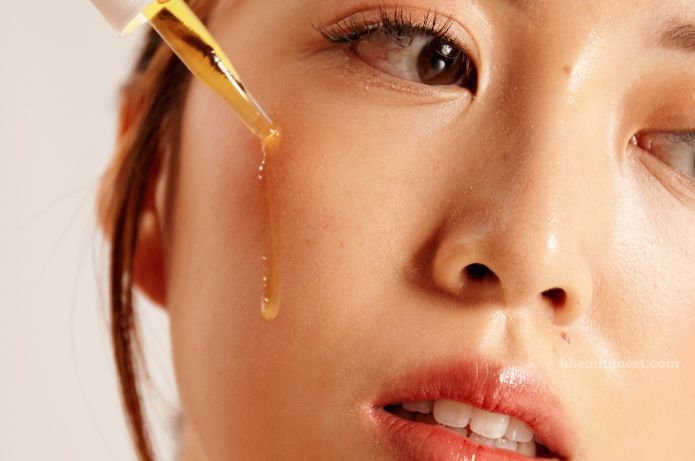
● Moisturizer: Choosing lightweighted products to match with your skin specifications respectively.
● Sunscreen: Most important and non-negotiable, everyone should use it for daily protection from the sun.
Make sure to keep it simple and match your routine to your skin type and related climate. K-beauty can be efficient, effective, and easy if done correctly.
Common irrelevant information About Korean Beauty
● Only for fair skin? No K-beauty is about healthy, glowing skin—Indian skin benefits just as much.
● Layering products makes skin greasy? Not if you pick lightweight products. Layering helps with absorption and hydration.
● Are Home remedies better? They help, but K-beauty combines gentle natural ingredients with smart science for reliable results.
Advantages for Indian Skin
● Fades dark spots and evens skin tone
● Hydrates without heaviness
● Balances oil and reduce breakouts
● Provide protection to skin against pollution
● It helps in avoiding redness and oiliness.
Precautions
● Patch test: Always try small amounts of essence to check and avoid any reaction.
● Watch fragrances: Sometimes sensitive skin prefers a light smell, so it is important to look out for it.
● You don’t have to follow all the steps. Make sure to focus on what actually working
● Patience is needed to see progress and track improvements.
Conclusion
K-beauty for Indian skin is not only about following all steps, it is also about smart adaptation of how things work. With formulas like snail mucin, Cica, and hyaluronic acid, Indian skin can be hydrated, glowing, and healthy. K-beauty is not just a passing trend and society, it’s a lifestyle approach, and when done right, it works very beautifully for Indian skin.
About the Author
KBN Editorial Team
We are a collective of Indian skincare writers, and research specialists who adapt Korean skincare to suit Indian skin tones, weather, and real-life budgets. At kbeautynest, we believe in educating, not overwhelming, our readers with skincare that makes sense in the Indian context.
Have a skin concern or routine question? Reach out—we’re always listening.
FAQ
Q1. Can oily Indian skin use K-beauty?
Yes! Many products are light and water-based, perfect for oily or combination skin.
Q2. Can it help with dark spots?
Absolutely. Ingredients like niacinamide, Cica, vitamin C and many more lighten dark spots effectively.
Q3. Is it suitable for men in India?
Yes! Men face issues like oily skin, pimples, and tanning, K-beauty works for them too.
Q4. Do I still need sunscreen?
Definitely. Sunscreen prevents tanning, dark spots, and also early wrinkles.
Disclaimer:
This blog post is intended for informational and educational purposes only. The skincare tips, routines, and product suggestions shared here are based on general knowledge and personal experience. Always consult a qualified dermatologist or skincare professional before making changes to your skincare routine, especially if you have sensitive skin, allergies, or ongoing skin conditions.