
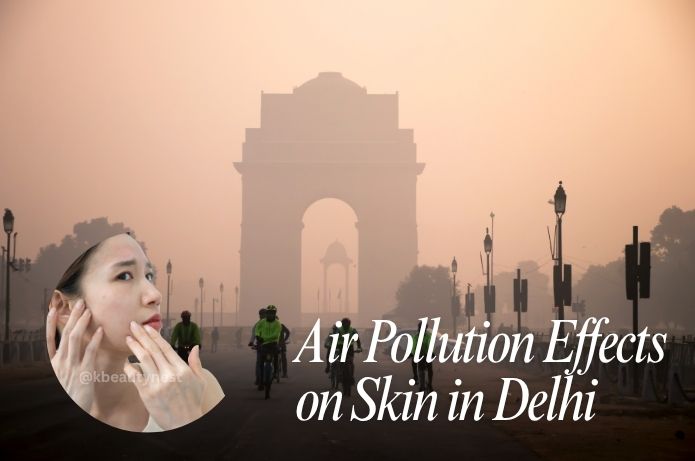
Delhi Face vs. K-Beauty Shield
That grey smog isn’t just in the air; it’s on your face. We explore how Delhi’s pollution is wrecking your skin and see if the Indian or Korean way is better to fight it.
Table of Contents
- Intro: That “Gritty” Feeling on Your Skin? It’s an Attack.
- The Invisible Enemy: What’s Actually in Delhi’s Air?
- “Is This Smog-ne?” The Top 5 Signs Pollution is Hurting Your Skin
- The Indian Approach: The Wisdom of Haldi and Neem
- The Korean Shield: How K-Beauty Fights Back with Science
- Head-to-Head: The Desi vs. Daebak Showdown
- Your Ultimate 5-Step Hybrid Anti-Pollution Battle Plan
- Beyond the Bottle: Lifestyle Tips for Delhi Skin
- References & Further Reading
1. Intro: That “Gritty” Feeling on Your Skin? It’s an Attack.
I’ll never forget my first “gas chamber” November in Delhi.
I had just moved and was walking around Khan Market, excited. But as the day went on, I felt this… film. A gritty, gross layer on my face that no amount of dabbing with a tissue could fix. My eyes were itchy, my throat was sore, and my skin just felt… violated.
That feeling, that tangible layer of grime, is the reality of the air pollution effects on skin in Delhi. We talk a lot about what it does to our lungs and our health, but we often forget our skin is our body’s first line of defense. It’s out there, 24/7, taking the hit for us.
And this isn’t just “dirt.” This is a complex cocktail of chemicals, particulate matter, and gases that are, quite frankly, waging a war on your skin barrier. This war can lead to everything from sudden breakouts and dark spots to your skin looking years older than it is.
So, how do we fight an invisible enemy?
For generations, we’ve relied on our nani’s (grandmother’s) wisdom—a bit of turmeric here, some sandalwood there. But in the last few years, the world has been captivated by the best korean skin care line and its almost magical results. K-Beauty, with its “glass skin” promise, is built on a philosophy of protection and prevention.
But does it stand a chance against the “severe” category AQI of Delhi? And is it even right for Indian skin?
In this post, we’re going to break it all down, just like I would for my younger sister. We’ll look at what this pollution is actually doing to your face and then compare the Indian and Korean skincare approaches to see which one really works.
2. The Invisible Enemy: What’s Actually in Delhi’s Air?
Before we can fix the problem, we have to understand what we’re up against. When you hear “pollution,” you might just think of “dust.” But the stuff in Delhi’s air is far more sinister. Think of it as three main villains.
Not Just “Dirt”: Meet the Pollutants
Particulate Matter (PM2.5): This is the one you hear about most. These are microscopic particles (like 30 times smaller than a human hair!) from vehicle exhaust, construction, and burning. Because they are so tiny, they don’t just sit on your skin, they can get into your pores and even invade the deeper layers.
Ozone (O3): This isn’t the good ozone layer high up in the sky. This is ground-level ozone, created when sunlight reacts with other pollutants. It’s a highly aggressive chemical.
Nitrogen Dioxide (NO2) & VOCs: These are toxic gases from traffic and industrial processes.
The “Skin-Rusting” Effect: Oxidative Stress
Okay, so these villains are on your skin. What do they do?
They cause something called “oxidative stress.”
This is the most important concept you need to understand. In simple terms, oxidative stress is “skin-rusting.”
The pollutants (especially Ozone and PM2.5) are highly unstable molecules. They are like tiny, hyperactive bullies called free radicals that run around looking for an electron to steal from your healthy, happy skin cells. When they steal that electron, it damages the skin cell, causing a chain reaction that breaks down your skin’s support structure.
This “rusting” process is the root cause of almost all the air pollution effects on skin in Delhi. It’s what breaks down your collagen, triggers inflammation, and shatters your skin’s protective shield.
3. “Is This Smog-ne?” The Top 5 Signs Pollution is Hurting Your Skin
How do you know if the “skin-rusting” is happening to you? Your skin will send out clear distress signals. If you’re in Delhi and suddenly experiencing any of this, pollution is a likely culprit.
Dullness & “Gritty” Texture This is the most common and immediate effect. Your skin looks lifeless, grey, and just… meh. The reflective “glow” is gone, replaced by a dull film.
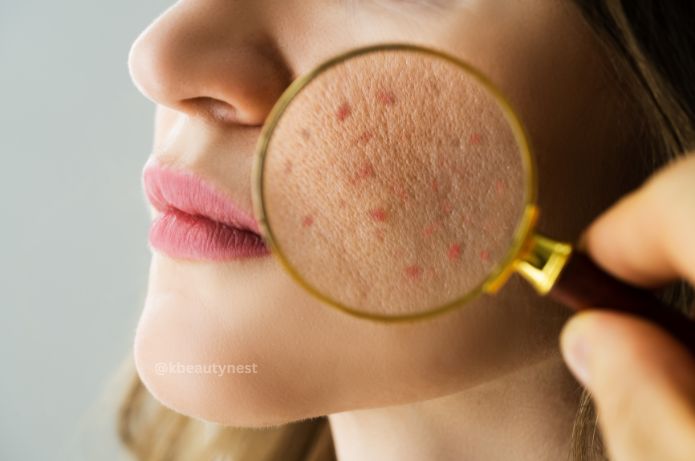
Sudden Breakouts (Acne & “Smog-ne”) This is a big one. Those tiny PM2.5 particles get into your pores, mix with your skin’s natural oil (sebum), and create the perfect, sticky plug. This clogs your pores, and voilà: pimples, blackheads, and what I call “smog-ne” spring up, especially around the cheeks and jaw.
Hyperpigmentation (Dark Spots) If you’re seeing new dark spots or your old acne scars are getting darker, blame pollution. The inflammation caused by free radicals can send your pigment-producing cells (melanocytes) into overdrive, leading to an uneven skin tone.
Premature Aging (Fine Lines) This is the scariest one. That oxidative stress we talked about? It literally eats your collagen and elastin—the proteins that keep your skin firm and bouncy. This “inflamm-aging” (inflammation that causes aging) means fine lines and wrinkles appear much, much faster.
Sensitivity, Itchiness & Redness Does your skin suddenly sting when you put on your normal moisturizer? Is it red and itchy? That’s your skin barrier screaming for help. The pollutants have punched holes in your skin’s protective wall, leaving it raw, dehydrated, and vulnerable to every little irritant.
4. The Indian Approach: The Wisdom of Haldi and Neem
So, our skin is under attack. For centuries in India, the answer to any skin problem has been found in the kitchen or the garden.
The Philosophy: Purify, Soothe, Heal
The traditional Indian approach is largely corrective. You get a problem (a pimple, a tan, a rash), and you apply a natural remedy to fix it. The philosophy is built on purifying the skin, soothing inflammation, and healing what’s been damaged. The ingredients are all-natural, potent, and time-tested.
The Nani Ke Nuskhe (Grandma’s Toolkit)
When it comes to pollution, here’s what the traditional Indian arsenal looks like:
Turmeric (Haldi): The superstar. The active compound, curcumin, is one of the most powerful natural anti-inflammatories on the planet. A besan-haldi (chickpea flour and turmeric) ubtan doesn’t just scrub; it actively calms the inflammation caused by smog.
Neem: This is the “village pharmacy.” It’s potently antibacterial and antifungal. This makes it the perfect weapon against “smog-ne” because it helps kill the bacteria that thrive in those pollution-clogged pores.
Sandalwood (Chandan): Pollution-induced inflammation makes your skin feel hot, red, and angry. Sandalwood is an amazing cooling agent that instantly soothes that “fire” and calms redness.
Multani Mitti (Fuller’s Earth): This is the “deep cleanse” of the desi world. This clay has a powerful drawing effect, helping to pull oil, grime, and particulate matter out of the pores.
The modern Indian routine is an evolution of this. It’s still focused on potent ingredients but has simplified to a single, effective cleanse (often with neem or turmeric), a moisturizer, and crucially sunscreen. It’s practical, effective, and rooted in healing.
5. The Korean Shield: How K-Beauty Fights Back with Science
Now, let’s fly from Delhi to Seoul. The Korean skincare philosophy is almost the complete opposite. It’s not corrective; it’s fanatically preventive.
The Philosophy: Protect, Fortify, Prevent
A K-Beauty devotee doesn’t wait for the pimple to show up. Her entire 10-step routine is designed to create a “shield” of such perfect, hydrated, and strong skin that nothing can get in to cause a problem in the first place.
This is why top rated korean skincare is, by its very nature, anti-pollution. The goal is to build an un-breachable skin barrier.
The Unskippable Step: The Double Cleanse
This is the single most important K-Beauty technique for anyone living in a polluted city. If you learn nothing else, learn this.
The logic is simple: “Like dissolves like.”
The gritty PM2.5, your waterproof sunscreen, your makeup, and your own oily sebum are all oil-based. Your regular, foamy face wash (which is water-based) can’t effectively break them down. It just smears the grime around.
Oil Cleanser (Step 1): You massage a cleansing oil or balm onto your dry face. The oil latches onto all the oil-based gunk (pollution, SPF, makeup) and melts it completely.
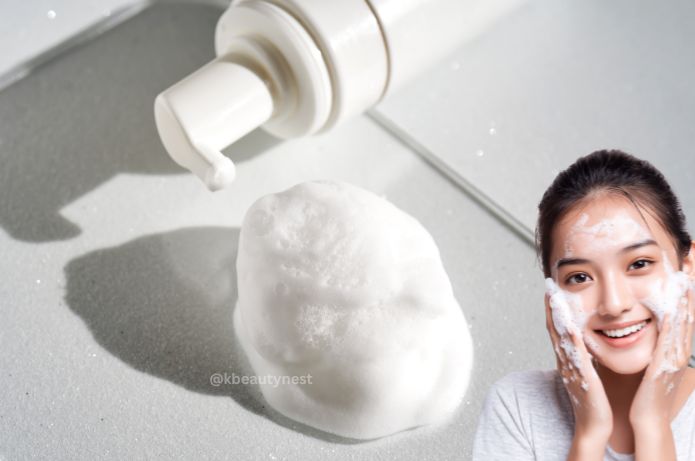
Water Cleanser (Step 2): Then, you add water and use your gentle, foamy cleanser. This washes away the oil (which has all the grime trapped in it) and any remaining water-based sweat and dirt.
This is the only way to get truly clean skin in Delhi. It’s a non-negotiable.
The Barrier-Builders: K-Beauty’s Holy Grails
After cleansing, the K-Beauty routine is all about repairing the barrier with a few hero ingredients. You’ll find these in the best korean skin care line:
Centella Asiatica (Cica): You’ll see this everywhere in good korean skincare. Cica is a medicinal herb nicknamed “tiger grass” (legend says tigers would roll in it to heal their wounds). It is a miracle worker for calming redness and inflammation fast.
Snail Mucin (like COSRX): Don’t be grossed out! This stuff is magic. It’s packed with nutrients that hydrate, repair damaged skin, and create a light, protective film on your face to help block out new pollutants.
Ceramides (like Dr. Jart+): If your skin barrier is a brick wall, ceramides are the “cement” between the bricks. Pollution blasts holes in this cement. Ceramide creams are a form of good korean skin care products that literally add the cement back in, repairing your barrier so it can protect itself.
Antioxidants (Vitamin C & Green Tea): While Indian skincare has turmeric, K-Beauty uses other antioxidants (like Vitamin C serums or Green Tea toners) to neutralize those “skin-rusting” free radicals before they can do any damage.
Feeling overwhelmed? Our Beginner’s Guide to the Step-by-step K-Beauty Routine breaks it all down.
6. Head-to-Head: The Desi vs. Daebak Showdown
So, we have two very different, very powerful approaches. Let’s put them side-by-side.
| Feature | Indian Skincare Approach | Korean Skincare Approach |
| Core Philosophy | Purify & Heal (Often corrective) | Protect & Fortify (Highly preventive) |
| Key Ingredients | Turmeric (Curcumin), Neem, Sandalwood, Multani Mitti | Centella Asiatica (Cica), Snail Mucin, Ceramides, Hyaluronic Acid |
| Cleansing Method | Single Cleanse (often with Ubtans or medicated washes) | Double Cleanse (Oil cleanser + Water cleanser) is mandatory. |
| Main Focus | Calming inflammation, antibacterial, and drawing out impurities. | Rebuilding the skin barrier, deep hydration, and gentle cleansing. |
| Best For… | Soothing existing breakouts and redness with natural ingredients. | Physically removing all traces of pollution and building a strong shield. |
The Verdict? You Need a Hybrid.
Looking at that table, you can probably see the answer. Neither one is 100% perfect on its own for our unique situation.
The Indian approach is fantastic at healing but might not be strong enough to prevent the initial damage from PM2.5. A simple foam wash can’t get all the pollution off.
The Korean approach is brilliant at prevention and cleansing, but… do we really need all 10 steps in the heat and humidity of India? Dermatologists say no. In fact, for Indian skin, which is often more prone to oiliness and larger pores, a full 10-step routine can be too much and might clog pores even more.
The smartest solution is a Hybrid Routine: Use the Korean method (prevention, double cleanse, barrier repair) with a mix of Indian and Korean ingredients (turmeric, cica, etc.) in a simplified, 5-step-or-less routine.
7. Your Ultimate 5-Step Hybrid Anti-Pollution Battle Plan
Forget the 10 steps. Here is a simple, dermatologist-approved routine that takes the best of both worlds, specifically designed to combat the air pollution effects on skin in Delhi.
Morning (AM) “Shield” Routine (4 Steps)
Your morning goal: Protect.
Cleanse: Keep it simple! Just splash your face with water or use a single, very gentle foaming cleanser. You don’t need to strip your skin.
Antioxidant Serum (MUST-HAVE): This is your shield. Use a Vitamin C serum. This is the K-Beauty trick to neutralize those “skin-rusting” free radicals from the smog before they do damage.
Hydrating Moisturizer: Use a lightweight, gel-based moisturizer (perfect for the Indian climate) that has barrier-building ingredients like Ceramides or Niacinamide.
Sunscreen (NON-NEGOTIABLE): This is your armor. Pollution + UV rays is a recipe for major hyperpigmentation. Use a broad-spectrum SPF 30 or 50. A mineral sunscreen (with Zinc Oxide) is even better, as it creates a physical shield that helps block particles from even touching your skin.
Evening (PM) “Repair” Routine (3-5 Steps)
Your evening goal: Cleanse & Repair.
The Double Cleanse (MUST-HAVE): This is the most important step of your day.
Step 1: Massage a cleansing oil or balm onto your dry face for 60 seconds. Melt that entire day of smog, SPF, and grime away.
Step 2: Emulsify with water, then use your gentle foaming cleanser (maybe one with Neem or Green Tea!) to wash it all off.
Exfoliate (2-3x a week): Gently! Don’t use harsh scrubs. Use a chemical exfoliant with BHA (Salicylic Acid) to get deep into your pores and clear out any gunk the cleanse missed.
Repair Serum: Now that your skin is clean, feed it. This is where you use your K-Beauty hero: a Cica serum to calm redness, a Snail Mucin essence to hydrate and heal, or a Niacinamide serum to strengthen your barrier.
Night Cream / Sleeping Mask: Seal it all in with a good moisturizer. This is where you can use a thicker Ceramide cream to rebuild your “skin cement” overnight while you sleep, safe and sound.

8. Beyond the Bottle: Lifestyle Tips for Delhi Skin
You can’t just slap on a serum and hope for the best. Your skin is a reflection of your whole lifestyle.
Hydrate, Hydrate, Hydrate: Drink your water! It helps your body flush out toxins from the inside and keeps your skin barrier hydrated and strong.
Eat Your Antioxidants: Fight those free radicals from the inside out. Eat more berries, leafy green vegetables (spinach, kale), nuts, and maybe have some haldi-doodh (turmeric milk) before bed.
Get an Air Purifier: If you can, investing in a good HEPA air purifier for your bedroom makes a huge difference. It gives your skin (and lungs) 8+ hours of clean air to repair itself.
Change Your Pillowcase: Think about it… all the pollution, oil, and sweat from your hair and face ends up on your pillowcase. You don’t want to roll around in that for a week. Change it every 2-3 days, especially during high-pollution seasons.
Living in Delhi is a tough game, but our skin doesn’t have to lose! I’ve shared my hybrid routine, but now I want to hear from you.
Do you lean more towards Indian remedies or the K-Beauty shield? And what’s your one holy grail product for fighting the smog?
Did you find this breakdown helpful? Hit ‘like’ if you did, ‘share’ with a friend who’s also fighting the Delhi smog, or drop a ‘comment’ below with your own tips!
9. References & Further Reading
Don’t just take my word for it! The link between pollution and skin damage is heavily researched. Here’s some further reading if you want to geek out.
[1] A. V. R. L. et al. (2017). “Air pollution and the skin.” Journal of Clinical and Experimental Dermatology. (A study explaining the mechanisms of skin damage from pollutants).
[2] R. S. (2020). “The impact of PM2.5 on skin barrier function.” Indian Journal of Dermatology. (A paper focused on the specific effects of PM2.5 in India).