
Is the “Glass Skin” trend failing you in the harsh Delhi weather? Discover the rice water for face benefits for Indian skin—a simple, zero-cost remedy that brightens, tightens, and fights pollution.
📑 Table of Contents
- The “Glass Skin” Dream vs. Delhi Reality
- What Exactly is Rice Water?
- The Nutrient Breakdown: Why It Works
- Top 6 Rice Water Benefits for Indian Skin
- Korean Inspiration, Indian Adaptation
- How to Make It: 3 Proven Methods
- Method 1: The Quick Soak (For the Impatient)
- Method 2: The Boil Method (The Traditional Way)
- Method 3: Fermentation (The Potent Potion)
- How to Use It in Your Routine
- Common Mistakes to Avoid
- Comparison: Rice Water vs. Vitamin C Serums
- Conclusion
The “Glass Skin” Dream vs. Delhi Reality
We have all scrolled through Instagram and seen those K-drama stars with skin so clear it looks like a pane of glass. It’s mesmerizing, right? You instantly want to buy whatever ten products they are using. But here is the snag: most of us are living in the hustle of Delhi, Noida, or Gurgaon.
Our environment is… intense. Between the hard water in Noida that dries out our hair and skin, the construction dust in Gurgaon, and the general humidity of Delhi summers, layering ten sticky products on your face is often a recipe for a breakout, not a glow.
This is where the magic of simple ingredients comes in. You don’t need a shelf full of imported chemicals to get that radiance. Sometimes, the answer is sitting right inside your steel dabba of Basmati rice.
Talking about rice water for face benefits for Indian skin isn’t just jumping on a trend; it is about rediscovering a remedy that Asian cultures have used for centuries (Japanese Geishas used it to keep their skin porcelain-smooth!) and adapting it to survive the chaos of Indian city life. If you are tired of dullness and congestion, grab a seat. We are about to change your skincare game for free.
What Exactly is Rice Water?
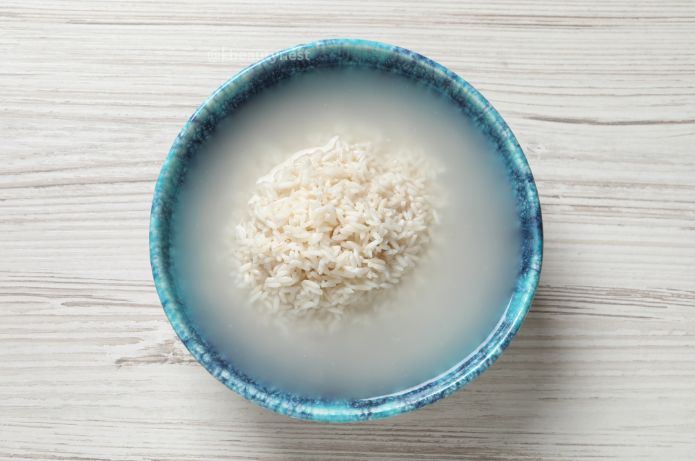
In the simplest terms, rice water is the starchy, milky liquid left behind after you soak or cook rice.
You know when you are washing rice before making biryani or dal chawal, and the water turns cloudy white? Usually, we pour that straight down the sink. That “waste” water is actually liquid gold for your skin.
It’s not just dirty water. That cloudiness comes from the starch shedding from the rice grains, carrying with it a heavy load of vitamins and minerals. It is a natural, gentle, and hypoallergenic toner that suits almost every skin type—from the oily zones of teenagers to the sensitive skin of our moms.
The Nutrient Breakdown: Why It Works
You might be thinking, “It’s just starch, how much can it really do?” Well, let’s put on our lab coats for a second. Rice water is chemically complex in the best way possible.
Here is what makes it a powerhouse:
- Inositol: This is often called “Vitamin B8.” It is a carbohydrate that helps repair damaged hair and skin. It specifically improves skin elasticity crucial if you want that bouncy, youthful feel.
- Ferulic Acid: A potent antioxidant. If you buy expensive Vitamin C serums, you’ll often see Ferulic Acid listed as a booster ingredient. It fights free radicals (the bad guys caused by pollution and UV rays).
- Allantoin: Known for its anti-inflammatory properties. It soothes irritated skin, which is a blessing if you have sunburn or redness from the Delhi heat.
- Amino Acids: The building blocks of protein. These help strengthen the skin barrier, keeping moisture in and dirt out.
- Vitamins B, C, and E: The holy trinity of glowing skin.
Top 6 Rice Water Benefits for Indian Skin
Why is the search volume for rice water for face benefits for Indian skin exploding right now? Because it addresses the specific problems we face in this subcontinent.
1. Brightening and Tan Reduction
Indian skin is prone to hyperpigmentation and tanning. The enzymes in rice water have a mild exfoliating effect. Over time, this gently lifts the dead, tanned layer of skin cells, revealing the brighter skin underneath. It won’t bleach your skin (and we don’t want that!), but it will give you an even, radiant tone.
2. Controlling the “Grease” Factor
If you live in NCR, you know the humidity makes you oily. Rice starch acts as a natural absorbent. Applying rice water can help mattify your T-zone without stripping your skin dry like alcohol-based toners do.
3. Soothing Inflammation and Acne
For those dealing with heat boils or pollution-triggered acne, cold rice water is incredibly soothing. The starch forms a protective, breathable film over the skin that calms redness and helps pimples heal faster.
4. Tightening Pores
Large pores are a common complaint, especially in hot climates where sweat expands them. The astringent properties of rice water help tighten the skin, making pores appear smaller and the texture smoother.
5. Anti-Aging Defense
Remember Ferulic Acid? It fights the oxidative stress caused by the intense Indian sun and city smog. This helps delay the formation of fine lines and wrinkles.
6. Repairing the Skin Barrier
If you have over-exfoliated or used too many harsh actives (we’ve all been there), your skin barrier might be compromised. Rice water is gentle enough to hydrate and repair that barrier, stopping the cycle of irritation.
Korean Inspiration, Indian Adaptation
The global hype around rice water comes largely from K-Beauty (Korean Beauty). In Korea, the focus is often on hydration and “glass skin” due to their drier, colder winters.
However, in India, our context is different. We deal with:
- High Heat: We need cooling agents.
- High Humidity: We need lightweight hydration, not heavy creams.
- Pollution: We need antioxidants.
While Koreans might ferment their rice water for days to make it very rich, for Indian skin, especially in summer, a lighter fermentation or simple soaked water often works better. Heavy fermentation can sometimes be too active and cause fungal acne in humid conditions. We adapt by keeping the fermentation time shorter (12-24 hours max) or using it fresh.
How to Make It: 3 Proven Methods
Ready to brew your own potion? You don’t need a chemistry set. Just grab a bowl and some organic white rice (Basmati or Jasmine works great).
Method 1: The Quick Soak (For the Impatient)
This is the fastest way to get rice water.
- Take ½ cup of raw rice.
- Rinse it quickly to remove dirt and impurities.
- Add 2 cups of clean, filtered water.
- Let it soak for 30 minutes. Use your fingers to gently rub the rice; the water should turn milky.
- Strain the water into a clean bottle.
- Shelf Life: 3-4 days in the fridge.
Method 2: The Boil Method (The Traditional Way)
This produces a concentrated version that you can dilute.
- Cook rice as you normally would (boil it in excess water).
- Once the water turns white and starchy, strain it out before the rice absorbs all of it.
- Let this thick liquid cool completely.
- Important: This is a concentrate! Dilute it with plain water (1:5 ratio) before using it on your face.
- Shelf Life: 5-7 days in the fridge.
Method 3: Fermentation (The Potent Potion)
This is the “Gold Standard” for anti-aging because fermentation releases more antioxidants (Pitera).
- Follow the steps for the “Quick Soak” method.
- Instead of putting it in the fridge immediately, leave the strained water in a jar at room temperature for 12 to 24 hours.
- When it starts to smell slightly sour (sour, not rotten!), it has fermented.
- Boil it quickly to stop the fermentation process, let it cool, and store it in the fridge.
- Shelf Life: Up to 1 week in the fridge.
How to Use It in Your Routine
Now that you have your bottle of magic liquid, where does it fit in your routine?
- As a Toner: After face wash, pour some rice water on a cotton pad and swipe it over your face. This balances pH and tightens pores.
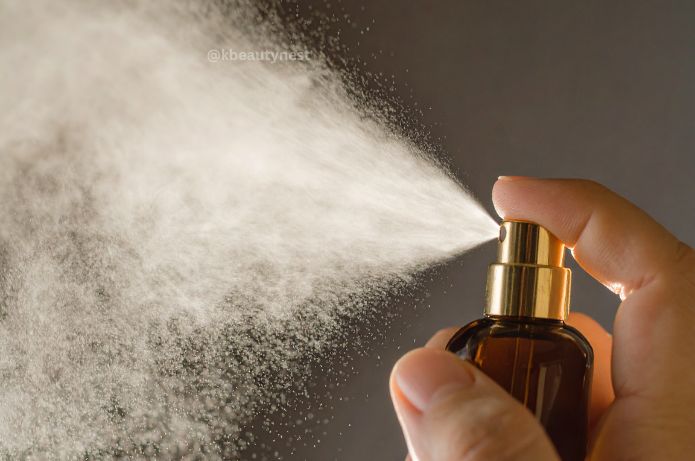
- As a Face Mist: Put it in a spray bottle. Keep it in the fridge. Spray it on your face when you return from the hot Gurgaon sun. It is instantly refreshing!
- As a Mask Base: If you use Multani Mitti (Fuller’s Earth) or Besan packs, mix them with rice water instead of plain water. This boosts the efficacy of your face pack significantly.
- The “Ice Facial”: Pour the rice water into an ice tray. In the morning, rub a rice water ice cube over your face. This effectively de-puffs tired eyes and wakes up your skin.
Common Mistakes to Avoid
Even natural remedies have rules. To get the best rice water for face benefits for Indian skin, avoid these blunders:
- Using Dirty Rice: Always, always rinse the rice once with water and throw that water away. It contains dust and pesticides. Use the second soak for your face.
- Ignoring the Smell: Fermented rice water smells sour. If it smells bad or moldy, throw it out.
- Not Storing in Fridge: Rice water is food. Bacteria love it. If you leave it on the bathroom shelf in Delhi’s 40-degree heat, it will spoil in hours. always refrigerate.
- Over-Fermenting: In Indian heat, fermentation happens fast. Don’t leave it out for 2-3 days like they do in cold countries. 12-24 hours is enough.
Comparison: Rice Water vs. Vitamin C Serums
Should you ditch your expensive serum? Let’s compare.
| Feature | Rice Water (DIY) | Vitamin C Serum (Store Bought) |
| Cost | Almost ₹0 | ₹500 – ₹3000 |
| Main Benefit | Brightening, Soothing, Barrier Repair | Potent Brightening, Anti-Aging |
| Stability | Low (Expires in days) | High (Stabilized in lab) |
| Irritation Risk | Very Low (Gentle) | Moderate (Can sting sensitive skin) |
| Convenience | Needs prep time | Ready to use |
Verdict: Rice water is an excellent, gentle maintainer of skin health. Vitamin C is a targeted treatment. You can actually use both! Use Vitamin C in the morning and Rice Water as a toner at night.
Conclusion
Living in the NCR region is tough on our skin. The pollution, the stress, and the weather extremes can leave us looking dull and tired. But the solution doesn’t always have to be a high-end salon treatment.
Embracing rice water for face benefits for Indian skin is about going back to basics. It’s effective, it’s sustainable, and quite frankly, it’s practically free. Whether you are a college student in North Campus on a budget or a working professional in Cyber Hub looking for a chemical-free glow, this simple starchy water might just be the holy grail you’ve been ignoring.
So, the next time you are prepping rice for lunch, don’t pour that cloudy water down the drain. Save it, bottle it, and let your skin drink it up!
Have you ever tried DIY skincare hacks?
Did it work wonders or was it a disaster? I’d love to hear your stories! Drop a comment below or share this post with your skincare-obsessed bestie! 👇
[Like] [Share] [Comment]
Keywords & Tags:
rice water for face benefits for Indian skin, DIY toner, glass skin India, acne home remedies, fermented rice water, brightening skincare, skincare for Delhi pollution, K-beauty for Indian skin, rice water, vitamin C Serum
About the Author
KBN Editorial Team
We are a collective of Indian skincare writers, and research specialists who adapt Korean skincare to suit Indian skin tones, weather, and real-life budgets. At kbeautynest, we believe in educating, not overwhelming, our readers with skincare that makes sense in the Indian context.
Have a skin concern or routine question? Reach out—we’re always listening.
Disclaimer:
This blog post is intended for informational and educational purposes only. The skincare tips, routines, and product suggestions shared here are based on general knowledge and personal experience. Always consult a qualified dermatologist or skincare professional before making changes to your skincare routine, especially if you have sensitive skin, allergies, or ongoing skin conditions.