

Your Skin Barrier’s Battle: Decoding Indian Monsoons and Korean Winters
Have you ever noticed how your skin behaves differently depending on the season and where you are in the world? The dewy, humid air of the Indian monsoon and the crisp, cold winds of a Korean winter might seem worlds apart, but they share a common battleground: your skin barrier. This delicate, outermost layer of your skin is your first line of defense against environmental stressors. When it’s compromised, it can lead to a host of issues like dryness, acne, and sensitivity. Understanding how these extreme weather conditions affect your skin is the first step towards achieving a resilient and healthy complexion. In this guide, we’ll delve into the unique challenges posed by these two distinct climates and provide you with actionable steps for effective skin barrier repair for Indian skin and beyond.
The Indian Monsoon: A Double-Edged Sword for Your Skin
The Indian monsoon brings welcome relief from the scorching summer heat, but the surge in humidity can be a nightmare for your skin. While the moisture in the air might seem hydrating, it can lead to a cascade of skin problems, especially for those with oily or acne-prone skin.

How High Humidity Impacts the Skin Barrier
During the monsoon, the air is saturated with moisture, which can paradoxically lead to a weakened skin barrier. Here’s how:
- Increased Sebum Production: The humidity signals your skin to produce more oil, leading to a greasy complexion and clogged pores.
- Sweat and Grime Accumulation: Sweat doesn’t evaporate as quickly in humid conditions, creating a sticky film on your skin that traps dirt and pollutants.
- Fungal and Bacterial Growth: The warm, damp environment is a breeding ground for bacteria and fungi, increasing the risk of acne breakouts and other skin infections.
Common Monsoon Skin Woes in India
- Acne and Breakouts: The combination of excess oil, sweat, and bacteria is a perfect storm for pimples and pustules.
- Dullness: A buildup of dead skin cells and grime can leave your skin looking lackluster.
- Fungal Infections: The constant dampness can lead to fungal issues like ringworm and athlete’s foot.
The Korean Winter: A Battle Against Dryness
In stark contrast to the Indian monsoon, Korean winters are characterized by biting cold winds and extremely low humidity. This harsh environment can strip your skin of its natural moisture, leading to a compromised skin barrier and a host of uncomfortable symptoms.
The Cold, Dry Beat on Your Skin
The primary challenge during a Korean winter is the lack of moisture in the air. This dry air actively draws moisture out of your skin, a process known as transepidermal water loss (TEWL).
This leads to:
- Dehydration: Your skin loses its ability to hold onto water, resulting in a tight, uncomfortable feeling.
- Increased Sensitivity: A dry, compromised barrier is more susceptible to irritants and allergens.
- Flakiness and Redness: The lack of moisture can cause the top layer of your skin to become dry, flaky, and inflamed.
Telltale Signs of a Winter-Damaged Barrier
- Dry, Itchy Patches: You might notice rough, scaly patches on your cheeks, around your nose, and on your hands.
- Fine Lines and Wrinkles: Dehydrated skin can accentuate the appearance of fine lines.
- Eczema and Psoriasis Flare-ups: The dry conditions can exacerbate pre-existing inflammatory skin conditions.
The Ultimate Guide to Skin Barrier Repair for Indian Skin (and Beyond!)
Regardless of the climate, the principles of skin barrier repair remain the same: gentle cleansing, intense hydration, and consistent protection. However, the specific products and ingredients you choose should be tailored to the environmental conditions.
Monsoon Skincare Saviors
During the humid Indian monsoon, focus on lightweight, non-comedogenic products that hydrate without adding extra grease.
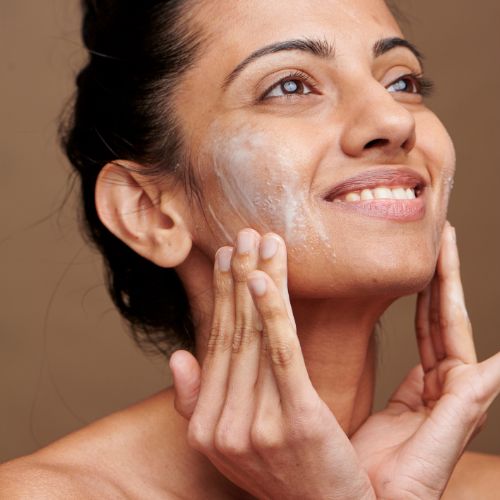
- Cleansers: Opt for a gentle, foaming cleanser with salicylic acid to control oil and prevent breakouts.
- Serums: Look for serums containing niacinamide to regulate sebum production and strengthen the skin barrier. Hyaluronic acid is also great for oil-free hydration.
- Moisturizers: A gel-based or lightweight lotion moisturizer is your best friend. Ingredients like green tea and centella asiatica can soothe inflammation.
- Sunscreen: Don’t skip sunscreen on cloudy days! A non-comedogenic, broad-spectrum sunscreen is essential to protect your skin from UV damage.
Korean Winter Skin Fortifiers
In the cold, dry Korean winter, your skin needs rich, nourishing products to lock in moisture and protect it from the elements.
- Cleansers: Switch to a creamy, hydrating cleanser that won’t strip your skin of its natural oils.
- Essences and Toners: Layering hydrating toners and essences is a key K-beauty technique to combat dryness. Look for ingredients like glycerin and propolis.
- Serums: A serum with ceramides, fatty acids, and cholesterol will help to replenish your skin’s natural barrier.
- Moisturizers: A thick, occlusive cream is necessary to create a protective seal on your skin. Shea butter and squalane are excellent choices.
- Face Oils: For an extra layer of protection, consider incorporating a face oil into your routine, especially at night.

A Resilient Barrier for Every Climate
In case you’re navigating the humid embrace of the Indian monsoon or the icy winds of a Korean winter, a healthy skin barrier is your key to a glowing, comfortable complexion. By understanding the unique challenges of each environment and tailoring your skincare routine accordingly, you can provide your skin with the support it needs to thrive. Remember to be patient and consistent with your routine, and don’t be afraid to listen to your skin’s needs.
What are your go-to skincare products for extreme weather? Share your tips and tricks in the comments below!
About the Author
KBN Editorial Team
We are a collective of Indian skincare writers, and research specialists who adapt Korean skincare to suit Indian skin tones, weather, and real-life budgets. At kbeautynest, we believe in educating, not overwhelming, our readers with skincare that makes sense in the Indian context.
Have a skin concern or routine question? Reach out—we’re always listening.
FAQ Block: Your Skin Barrier Questions Answered
Q1: How can I tell if my skin barrier is damaged?
A: Common signs of a damaged skin barrier include redness, flakiness, tightness, itching, and increased sensitivity to products that you normally tolerate well.
Q2: What are the best ingredients for skin barrier repair?
A: Look for ingredients like ceramides, hyaluronic acid, niacinamide, squalane, and fatty acids. These ingredients help to replenish and strengthen the skin’s natural protective layer.
Q3: Can I use the same skincare routine for both the Indian monsoon and Korean winter?
A: It’s best to adapt your skincare routine to the specific climate. During the monsoon, focus on lightweight, oil-controlling products. In the winter, you’ll need richer, more nourishing formulas to combat dryness.
Q4: How long does it take to repair a damaged skin barrier?
A: With a consistent and gentle skincare routine, you can start to see improvements in your skin barrier within a few weeks. However, it can take several months for the barrier to fully recover.
Disclaimer:
This blog post is intended for informational and educational purposes only. The skincare tips, routines, and product suggestions shared here are based on general knowledge and personal experience. Always consult a qualified dermatologist or skincare professional before making changes to your skincare routine, especially if you have sensitive skin, allergies, or ongoing skin conditions.