
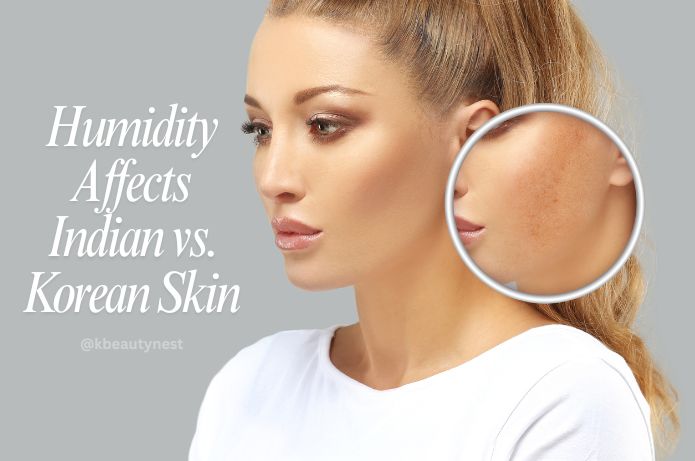
If you’ve ever observed a stubborn dark spot after a pimple heals, or a patchy tan that won’t fade, you’ve experienced hyperpigmentation. This skin condition is especially frequent in Indian and Korean skin types, though the reasons and reactions can differ.
To effectively cure hyperpigmentation, you must first understand how skin tone, climate, and lifestyle affect your treatment options. However, there is not a single solution that fits everyone. We don’t always get the same results for Indian skin, however it works great for Korean skin.
Let us simplify this for you. There is no complex jargon, just genuine, useful advice targeted to your skin.
What Is Hyperpigmentation, Really?
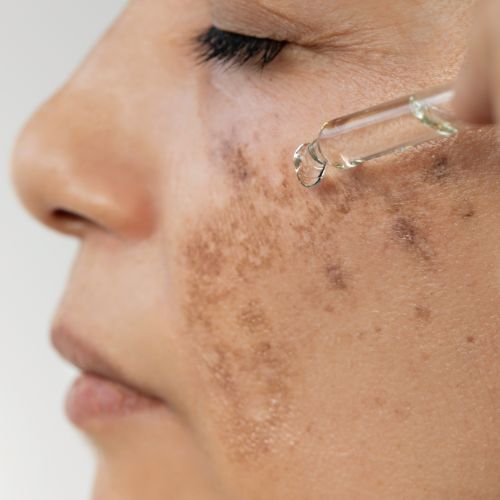
Hyperpigmentation means your skin is producing too much melanin in one area. Melanin is the pigment that gives your skin its color, and when certain parts of your skin create more of it, you get those dark patches or uneven spots.
There are a few types of hyperpigmentation:
- Post-inflammatory hyperpigmentation (PIH): Dark spots after acne, rashes, or skin injuries.
- Sun spots (or age spots): Brownish patches from sun exposure
- Melasma: Larger patches, often hormonal, usually on the cheeks, forehead, or upper lip
Why Skin Tone and Origin Matter?
While Korean and Indian skin both deal with hyperpigmentation, but the way their skin reacts and heals is quite different.

Indian Skin:
- Usually falls under Fitzpatrick skin types IV to VI (medium to deep tones)
- Prone to tanning, scarring, and PIH
- Tends to hold on to pigment longer where as dark spots can linger for months
- Sensitive to strong treatments, which can worsen pigmentation if not used correctly
Korean Skin:
- Often falls under Fitzpatrick types II to IV (fair to medium tones)
- More prone to sensitivity, redness, and melasma
- Focuses heavily on gentle brightening and barrier repair
- Quick to adopt layered hydration techniques
Skincare Goals: Same Problem, Different Needs
K-beauty and Indian skincare goals often overlap because everyone wants even-toned, glowing skin. But how they get there varies.
Korean routines tend to be longer, with an emphasis on hydration, prevention, and low-dose actives
Indian routines, especially in urban areas, often focus on repairing damage from sun, acne, or pollution.
That’s why the key is adapting the technique not copying it.
Ingredients That Work (And Why)
Let’s break down some ingredients that are proven to fade dark spots, and how to use them safely based on your skin type.
1. Niacinamide (Vitamin B3)
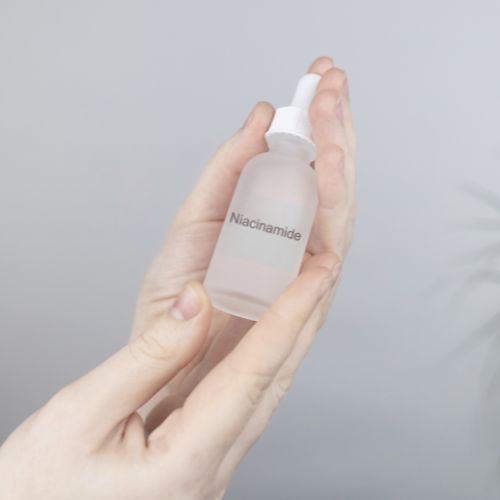
- Brightens skin and fades dark spots over time
- Helps control oil and strengthen skin barrier
- Gentle enough for both Indian and Korean skin
Best for: Beginners or anyone with sensitive or acne-prone skin
2. Vitamin C
- A powerful antioxidant that targets dullness and pigmentation
- Helps even out skin tone and fade sun spots
- Can be a little strong for sensitive skin, start with lower concentrations (5–10%)
Pro tip: Store it in a cool, dark place as it oxidizes easily.
3. Azelaic Acid
- Fights acne and pigmentation at the same time
- Safe for deeper Indian skin tones (less risk of irritation)
- Often prescribed for rosacea and PIH in Korean skincare
Best for: People dealing with both breakouts and dark marks
4. Licorice Root Extract
- A hero ingredient in Korean skincare
- Calms inflammation and reduces melanin production
- Works slowly but safely over time
Great for: Layering under serums or moisturizers in a gentle routine
5. Alpha Arbutin
- A gentle skin-brightener derived from plants
- Often found in serums targeting melasma and dark patches
- Ideal for both skin tones and very low risk of irritation
6. Chemical Exfoliants (AHAs/BHAs)
- Help remove dead skin cells so brightening products can work better
- Lactic acid and mandelic acid are great for beginners
- Korean skincare uses PHA for a milder exfoliation
Use only 1–2 times a week — especially if you’re new to acids.
The Right Routine for Both Skin Types
Regardless of where you’re from, a simple, consistent routine makes all the difference.
Here’s a sample evening routine to tackle pigmentation:
- Cleanser – A mild, non-stripping one
- Toner – Hydrating, not alcohol-based
- Serum – Choose a target ingredient (like niacinamide or vitamin C)
- Moisturizer – Lightweight gel or cream depending on your skin type
- Sunscreen (AM only) – Essential even on cloudy days
What Not to Do (Especially on Indian Skin)
- Don’t layer too many actives at once. Vitamin C + AHA + retinol? That’s too much. Keep it simple.
- Don’t expect overnight miracles. Dark spots often take weeks or months to fade.
- Avoid harsh DIY hacks (lemon juice, baking soda, etc.). They can worsen pigmentation, especially on deeper skin tones.
- Never skip sunscreen. UV exposure undoes all your hard work.
Hyperpigmentation in Real Life: What Indians Can Learn from K-beauty
In real life there is so much to admire from Korean approaches like patience, prevention, and sensitive care. However, Indian skin has different and unique challenges such as heat, pollution, increased UV exposure, and a broader variety of undertones.
For Indian skin types, the greatest hyperpigmentation treatment is one that combines science and harmony. You do not require ten steps. You only need the correct three or four, used consistently and carefully, with chemicals that work with your skin rather than against it.
Final Thoughts: Glowing Skin Isn’t a Trend
Hyperpigmentation can be annoying, but it is also treatable. Whether you’re dealing with Indian or Korean skin, the goal is the same: to be confident, happy, and healthy in your skin.
So please be patient. Trust in the process. Remember that having black spots on your skin does not make it “bad”. It only asks for more awareness.
About the Author
KBN Editorial Team
We are a collective of Indian skincare writers, and research specialists who adapt Korean skincare to suit Indian skin tones, weather, and real-life budgets. At kbeautynest, we believe in educating, not overwhelming, our readers with skincare that makes sense in the Indian context.
Have a skin concern or routine question? Reach out—we’re always listening.
Disclaimer:
This blog post is intended for informational and educational purposes only. The skincare tips, routines, and product suggestions shared here are based on general knowledge and personal experience. Always consult a qualified dermatologist or skincare professional before making changes to your skincare routine, especially if you have sensitive skin, allergies, or ongoing skin conditions.